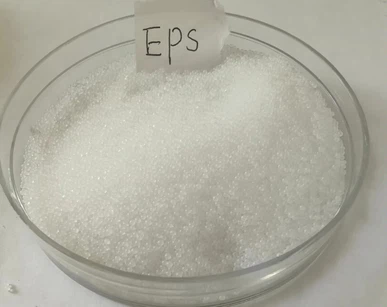
Polystyrene (PS) Injection Molding Process
 Jan 03, 2024|
 Typical applications: product packaging, household products (tableware, trays, etc.), electrical (transparent containers, light diffusers, insulating films, etc.).
Chemical and Physical Properties: Most commercial PSs are transparent, amorphous materials. PS has very good geometric stability, thermal stability, optical transmission properties, electrical insulation properties and a very slight tendency to absorb moisture. It is resistant to water and dilute inorganic acids, but can be corroded by strong oxidizing acids such as concentrated sulfuric acid, and can swell and deform in some organic solvents. Typical shrinkage is between 0.4~0.7%.
Injection mold process conditions:
- Drying: Unless improperly stored, drying is usually not required. If drying is required, the recommended drying conditions are 80°C and 2 to 3 hours.
- Melting temperature: 180~280℃. For flame retardant materials the upper limit is 250°C.
- Mold temperature: 40~50C.
- Injection pressure: 200~600bar.
- Injection speed: It is recommended to use a fast injection speed.
- Runners and Gates: All conventional types of gates can be used.
Polystyrene (PS) can be made into various products using a variety of molding processing methods, including injection molding, extrusion molding, blister molding and foam molding. PS can be processed on ordinary extruders. The extrusion molding of films, sheets and profiles is the most commonly used method for PS processing and molding. The extruded products include pipes, rods, sheets, films, fibers, etc. Injection molding is the most commonly used processing and molding method after extrusion.